Navigating the Ups and Downs of the Australian Property Market
The Australian housing market has always been a hot topic of conversation, and for good reason. It's a dynamic landscape of soaring highs, surprising lows, and everything in between. For anyone looking to buy, sell, or rent, staying informed is not just an advantage—it's a necessity. The latest data from February 2026 gives us a fascinating snapshot of the current state of play in our capital cities, and the trends are worth exploring.
A Look at the National Picture
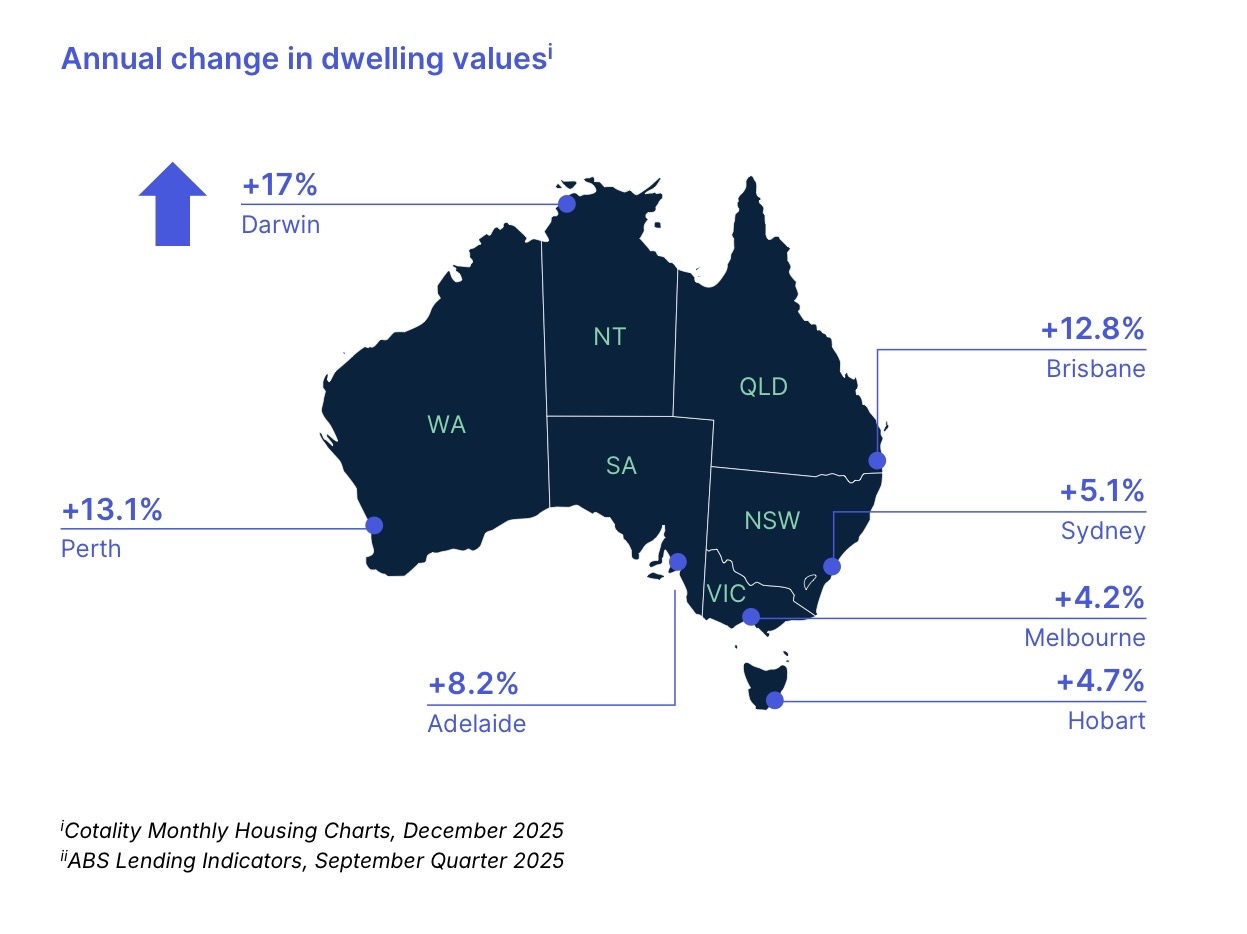
The latest Home Value Index paints a complex picture of the nation's property market. Across the country, the performance of dwellings—which includes both houses and units—has varied significantly from one capital city to another. While some cities have seen robust year-on-year growth in home values, others are experiencing a more subdued period. This diversity highlights the importance of looking beyond national averages and understanding the unique dynamics of each local market.
Houses vs. Units: A Tale of Two Markets
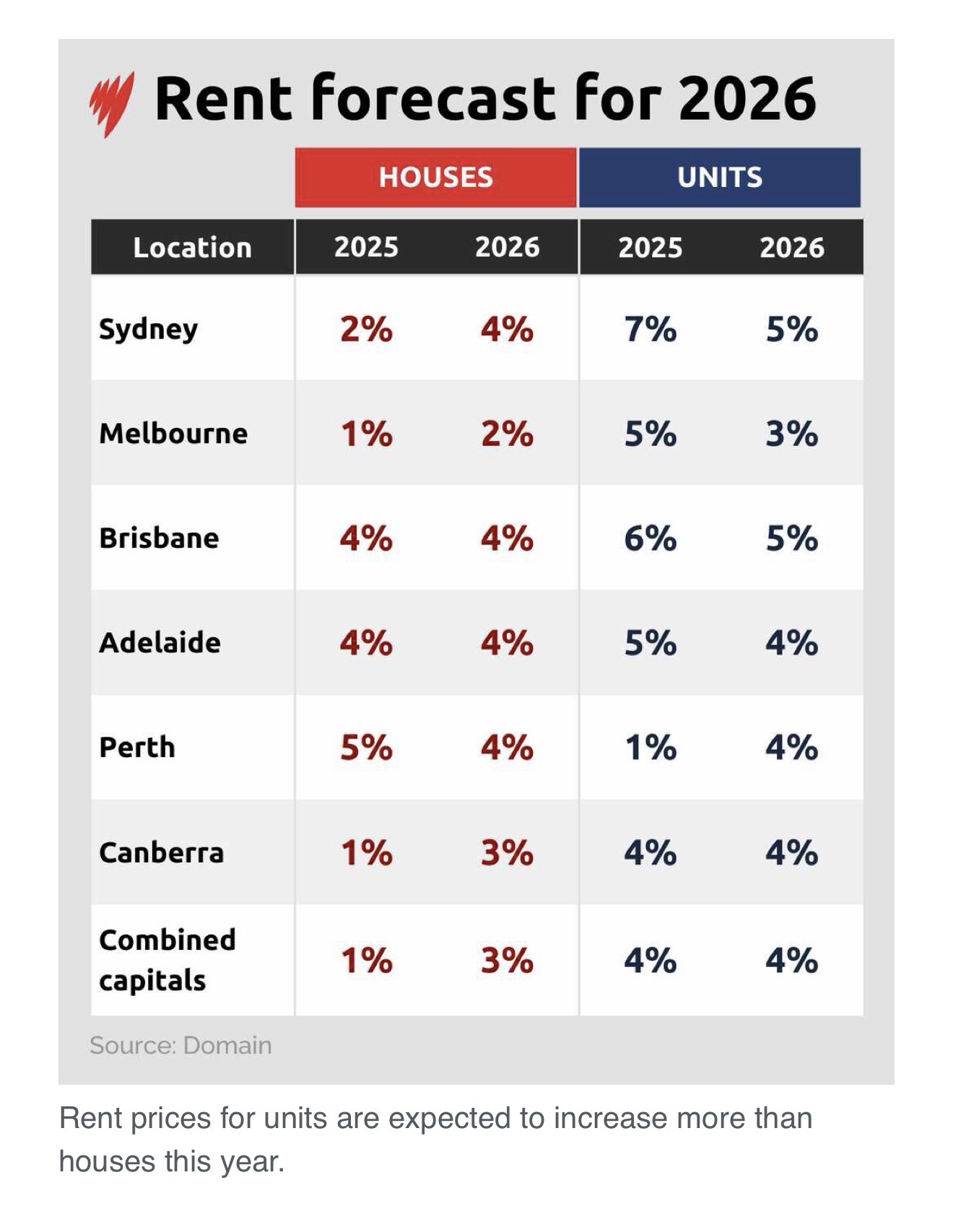
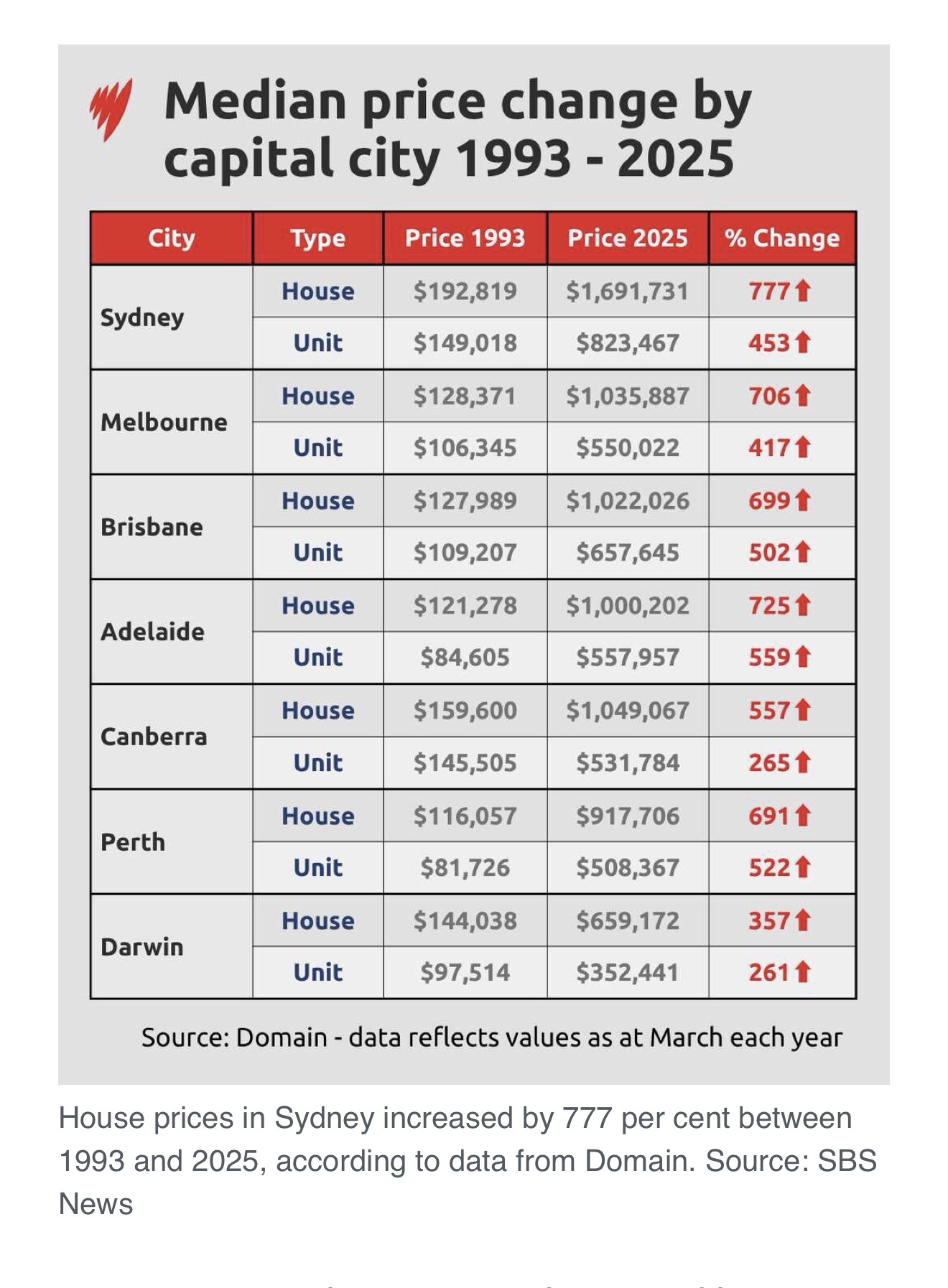
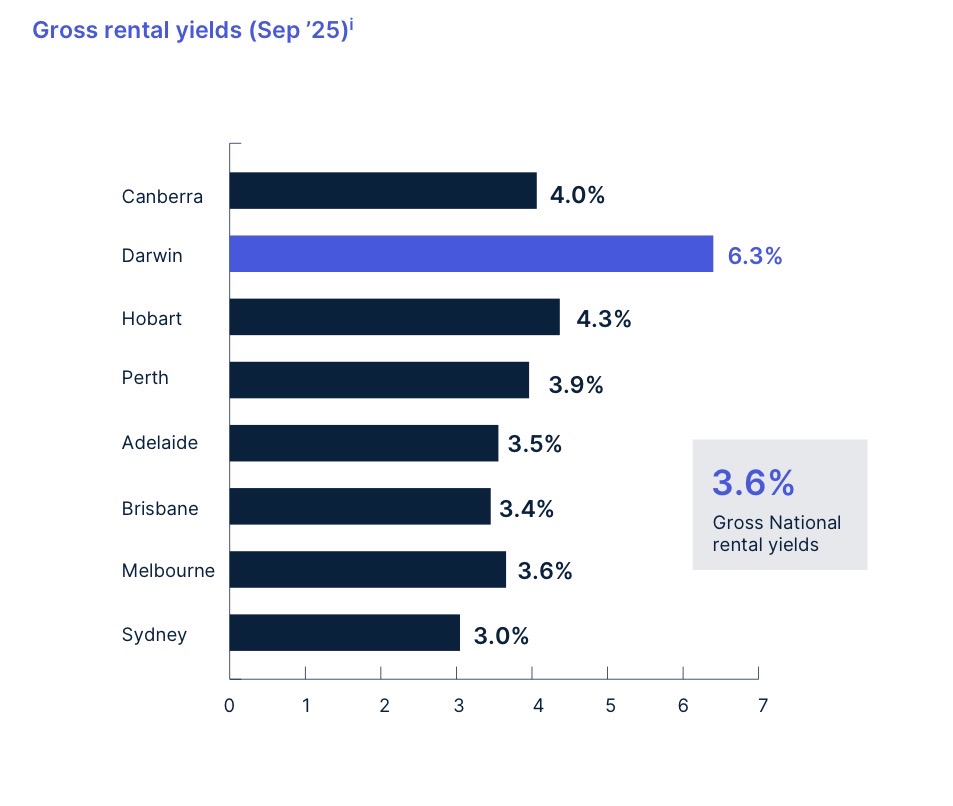
One of the most interesting takeaways from the recent data is the continuing divergence between the house and unit markets. In many capital cities, houses have continued to be the main driver of growth, with their median values pushing steadily upwards. This trend has been fuelled by a consistent demand for more space, a feature that houses typically offer over units. However, we're also seeing a growing appreciation for the affordability and convenience of unit living, particularly in our largest and most expensive cities like Sydney and Melbourne. This is reflected in the steady rental yields for units, which in some areas are outpacing those of houses.
Spotlight on the Capitals
Drilling down into the individual capital cities reveals even more about the market's nuances. For example, cities like Perth and Brisbane have shown remarkable resilience and growth over the past year. In contrast, the larger markets of Sydney and Melbourne have experienced more moderate changes in their home value indices. Meanwhile, smaller capitals such as Adelaide and Hobart continue to carve out their own distinct market identities, often influenced by local economic factors and population movements. The data also provides a clear view of the rental market, with median weekly rents for both houses and units showing the pressure points and opportunities for tenants and landlords alike.
What This Means for You
Whether you're a first-home buyer, a seasoned investor, or a renter, understanding these trends is crucial for making informed decisions. The property market is constantly evolving, and the key to success is staying ahead of the curve. By keeping a close eye on the data, you can better navigate the exciting and often challenging world of Australian real estate.