Navigating the Peaks and Troughs of Australia's Housing Market
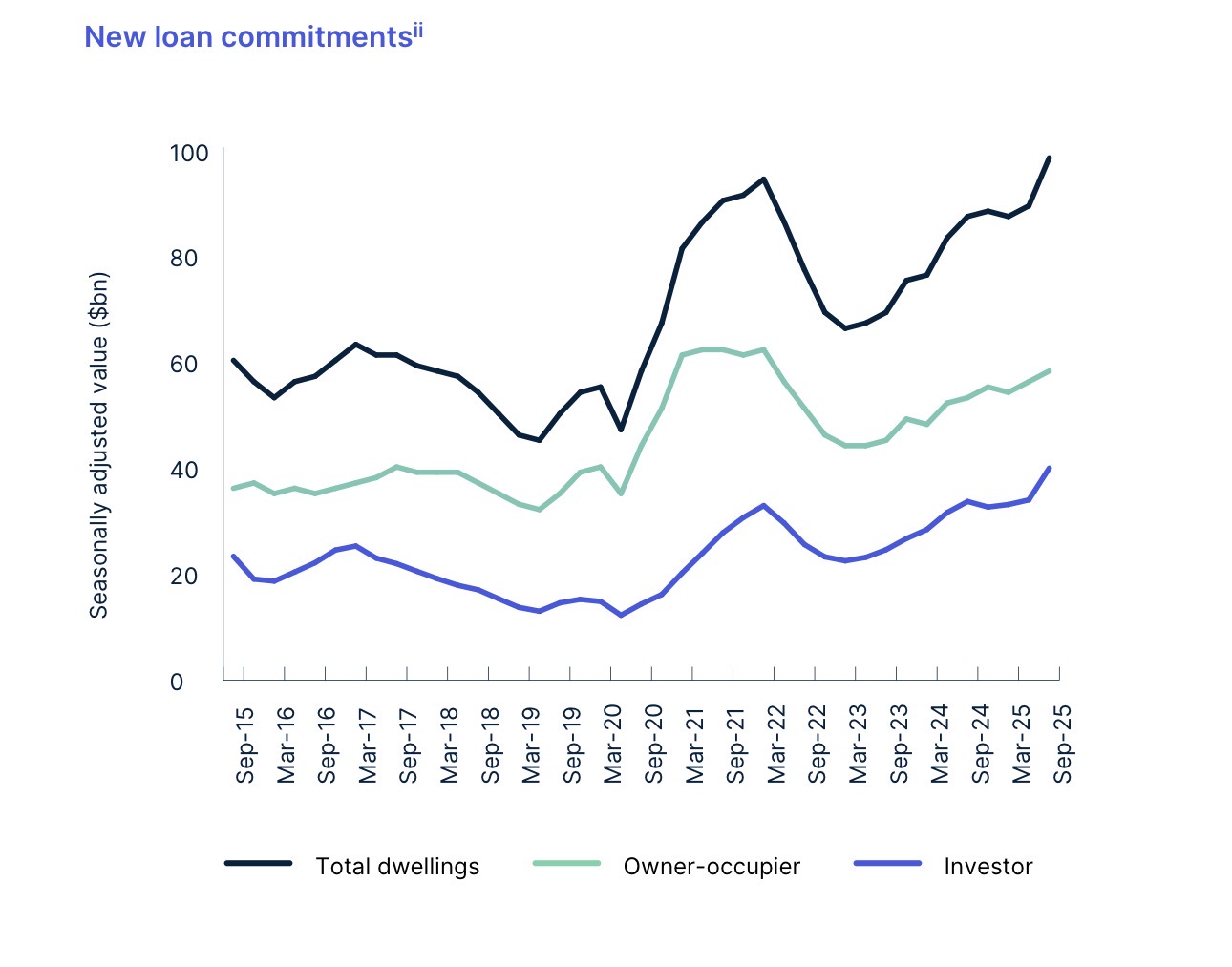
The Australian property market has been on a remarkable rollercoaster ride, and the journey is far from over. A look at new loan commitments over the last decade paints a vivid picture of this volatility, showing a series of dramatic dips and climbs. After a period of sharp growth and a subsequent slowdown, the market is now showing signs of a powerful resurgence, with total loan commitments projected to reach unprecedented heights by September 2025.
The data on new loan commitments tells a compelling story. The chart, tracking from September 2015 to a projected September 2025, shows total dwelling loans are expected to climb towards the $100 billion mark. This surge is driven by both owner-occupiers and a resurgent investor market, with investor loans anticipated to approach $40 billion. This follows a notable dip around 2019-2020 and another sharp rise and fall between 2021 and 2023, highlighting the market's cyclical nature.
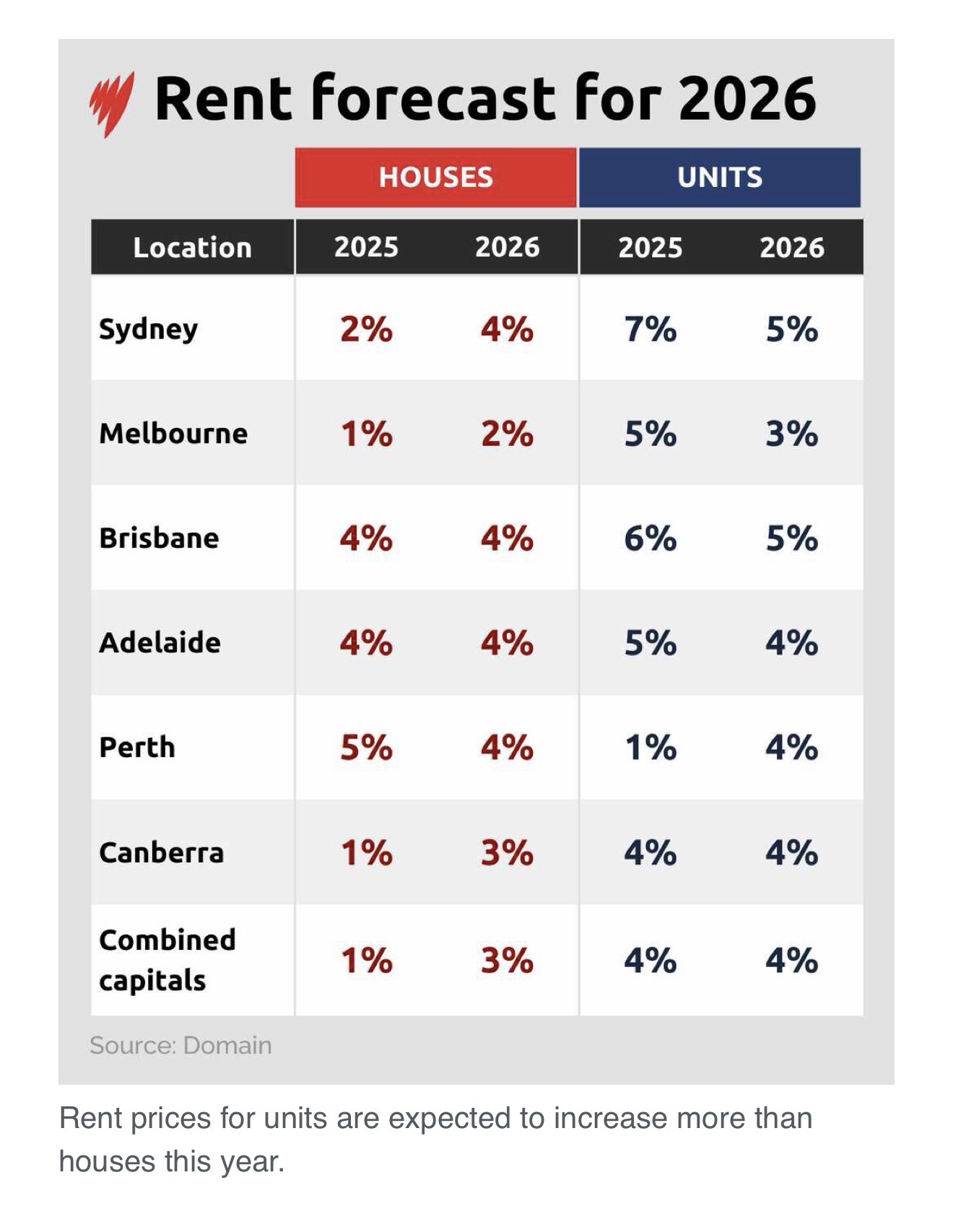
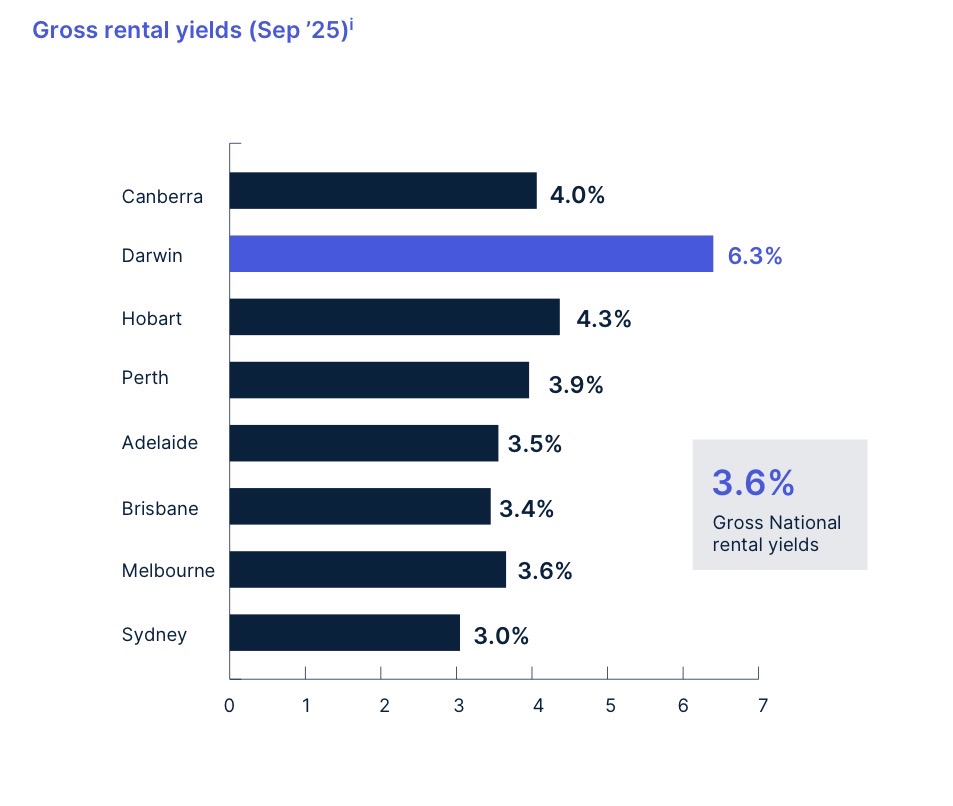
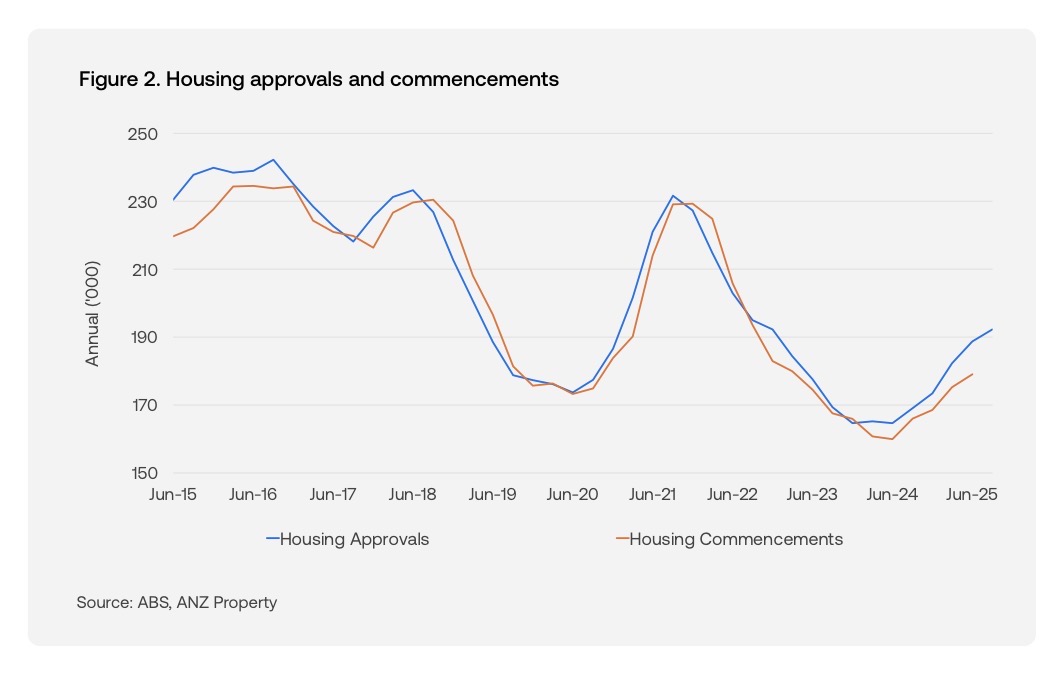
So, what is fuelling this powerful rebound? The core of the issue is a classic case of supply and demand. Australia is experiencing significant population growth, which continues to exert pressure on the housing sector. This influx of new residents is running headlong into a chronic shortage of new homes, a situation that shows no immediate signs of easing. The result is a highly competitive market, particularly for renters, where low vacancy rates and soaring rents are encouraging many to enter the buying market.
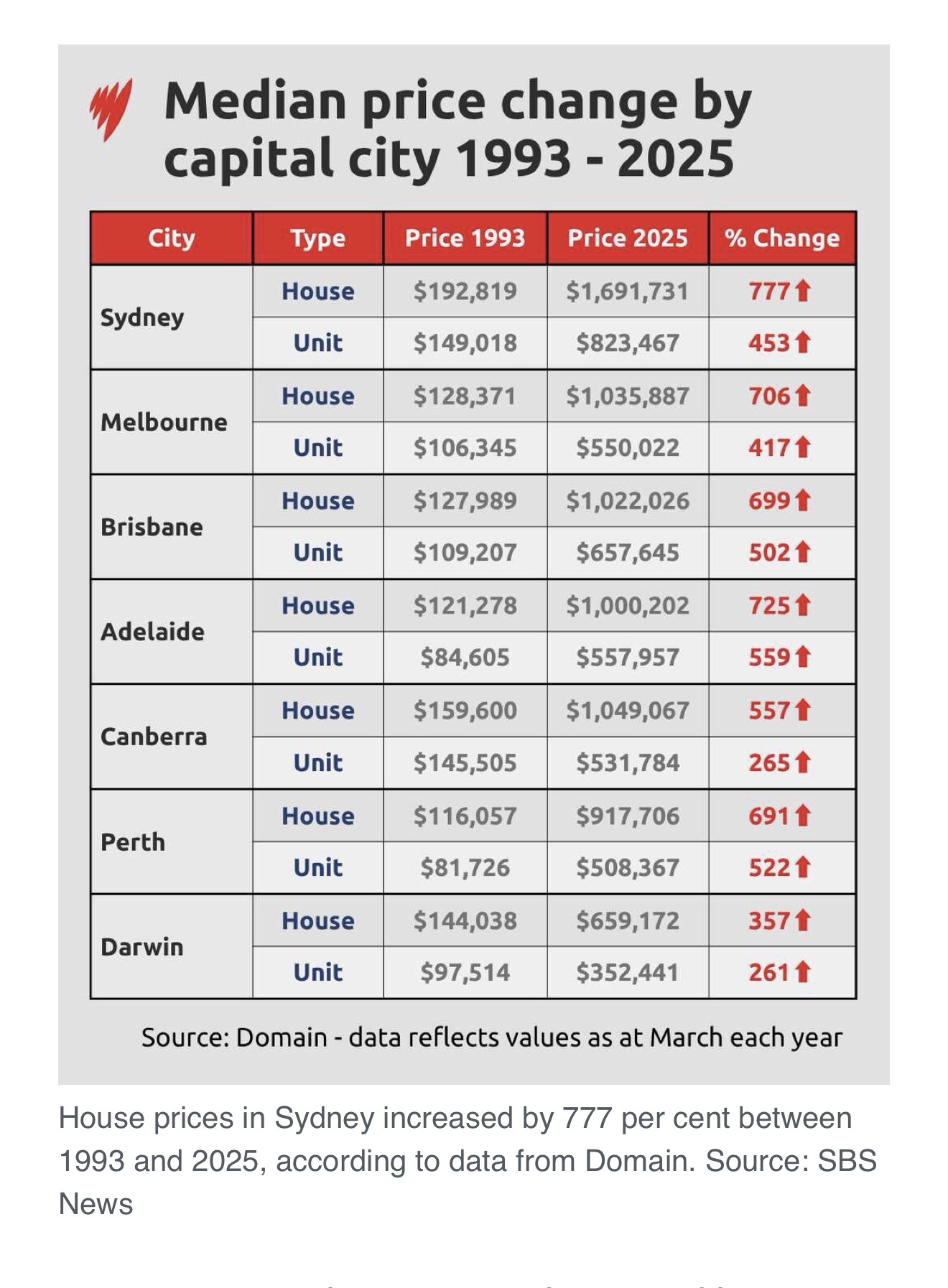
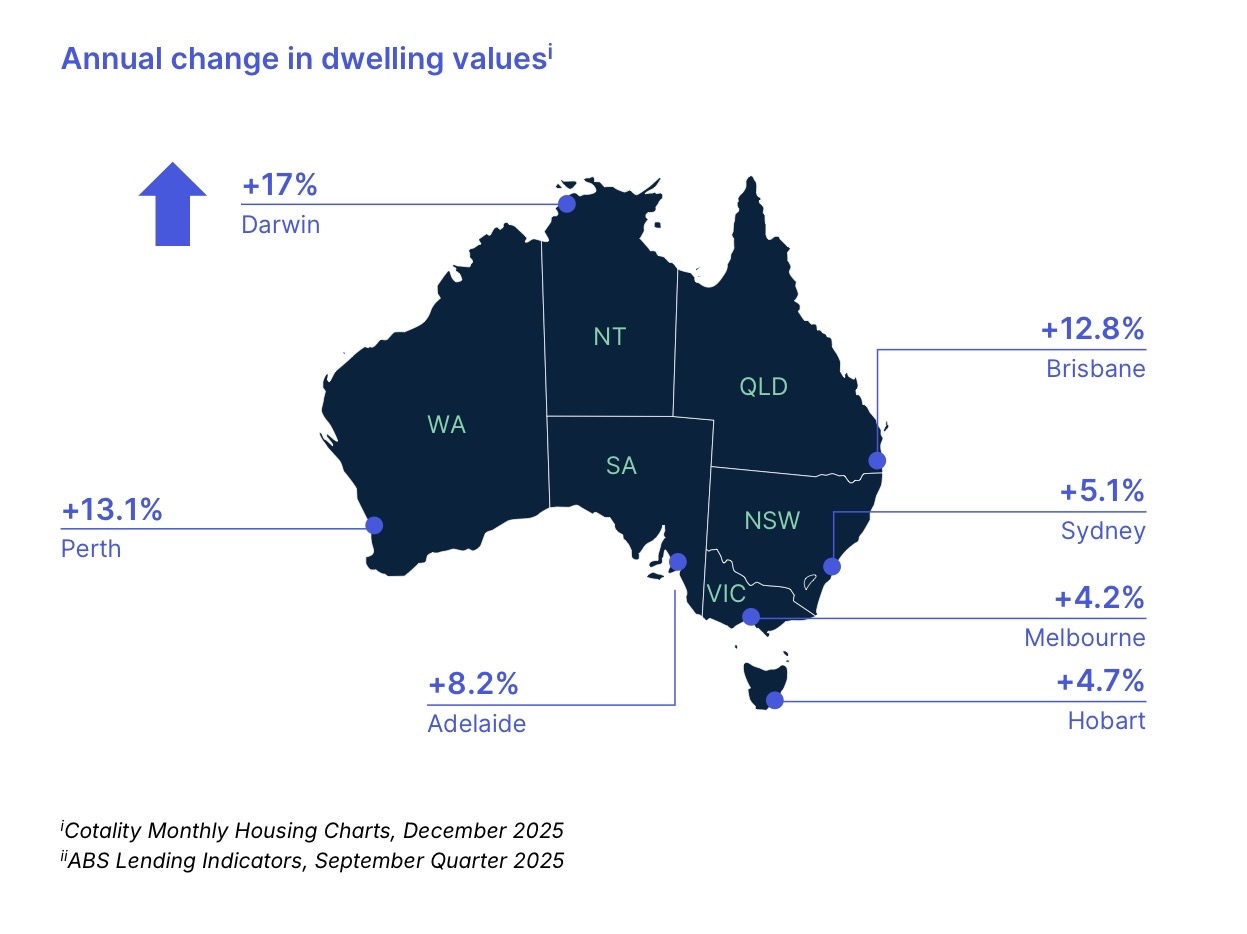
Despite challenges like affordability and higher interest rates, the fundamental mismatch between housing supply and demand is expected to keep a floor under property prices. Experts forecast continued, albeit more moderate, growth, with national house prices predicted to rise by 7.7% in 2026. While the frenetic pace of recent years may be stabilising, the underlying market drivers remain robust. This suggests that the upward trend in loan commitments is not just a fleeting spike, but a reflection of the long-term confidence in Australian property.