### Taxing Times for Housing: Aेष Look at Proposed CGT Changes
A fierce debate is swirling around proposed changes to Australia's Capital Gains Tax (CGT) discount for residential property, and the potential economic fallout has the housing industry on high alert. A recent report, supported by major industry bodies including Master Builders Australia, the Housing Industry Association, the Property Council of Australia, and the Real Estate Institute of Australia, paints a stark picture of what could happen if these changes go ahead.
The economic modelling, conducted by Qaive and Tulipwood Economics, suggests that the repercussions of altering the CGT discount could ripple through the economy. The data, presented in "Table 1-2: Economic impacts of removing CGT discount for residential property,” forecasts a series of negative impacts stretching from 2025 to 2030.
At the heart of the concerns are the projected declines in GDP and construction output, with negative values anticipated across all forecasted years. This downturn would also hit jobs, with a notable decrease in construction employment. Furthermore, the modelling predicts a significant drop in the number of new homes being built, affecting both detached and non-detached housing. One scenario in the report warns that removing the 50% CGT discount could reduce new housing supply by as many as 33,353 dwellings and slash economic output by over $2.2 billion.
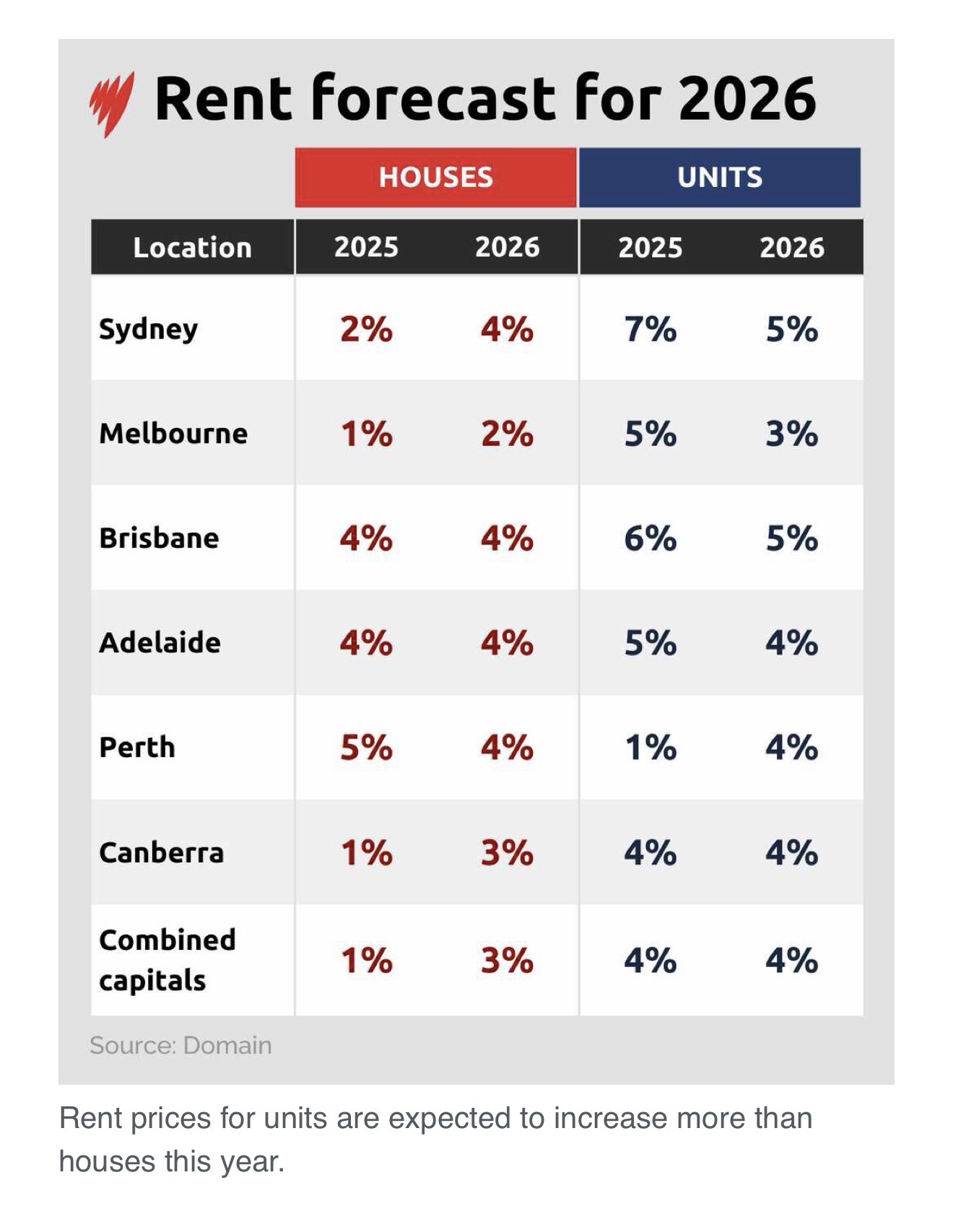
Perhaps most concerning for the one-third of Australians who rent, the report projects a steady increase in rental prices. Critics of the proposed changes argue that by disincentivising investment in property, the supply of rental homes will shrink, driving rents up at a time when many are already struggling with the cost of living.
While proponents of CGT reform argue that the current system disproportionately benefits investors and contributes to housing affordability issues, this new data presents a compelling counterargument. The report underscores the delicate balance of the housing market and suggests that a hasty overhaul of the CGT system could have far-reaching and unintended consequences. As the government considers its next steps, the findings from this report will undoubtedly play a crucial role in the ongoing discussion about the future of a fair and sustainable housing market for all Australians.