### The Ripple Effect: What Happens When We Scrap Negative Gearing?
The great Australian housing debate has a recurring theme: negative gearing. For years, it’s been the topic of dinner table discussions and a political hot potato. Proponents argue it’s a vital incentive for property investment, while critics claim it fuels housing unaffordability. But what would actually happen if we decided to remove it?
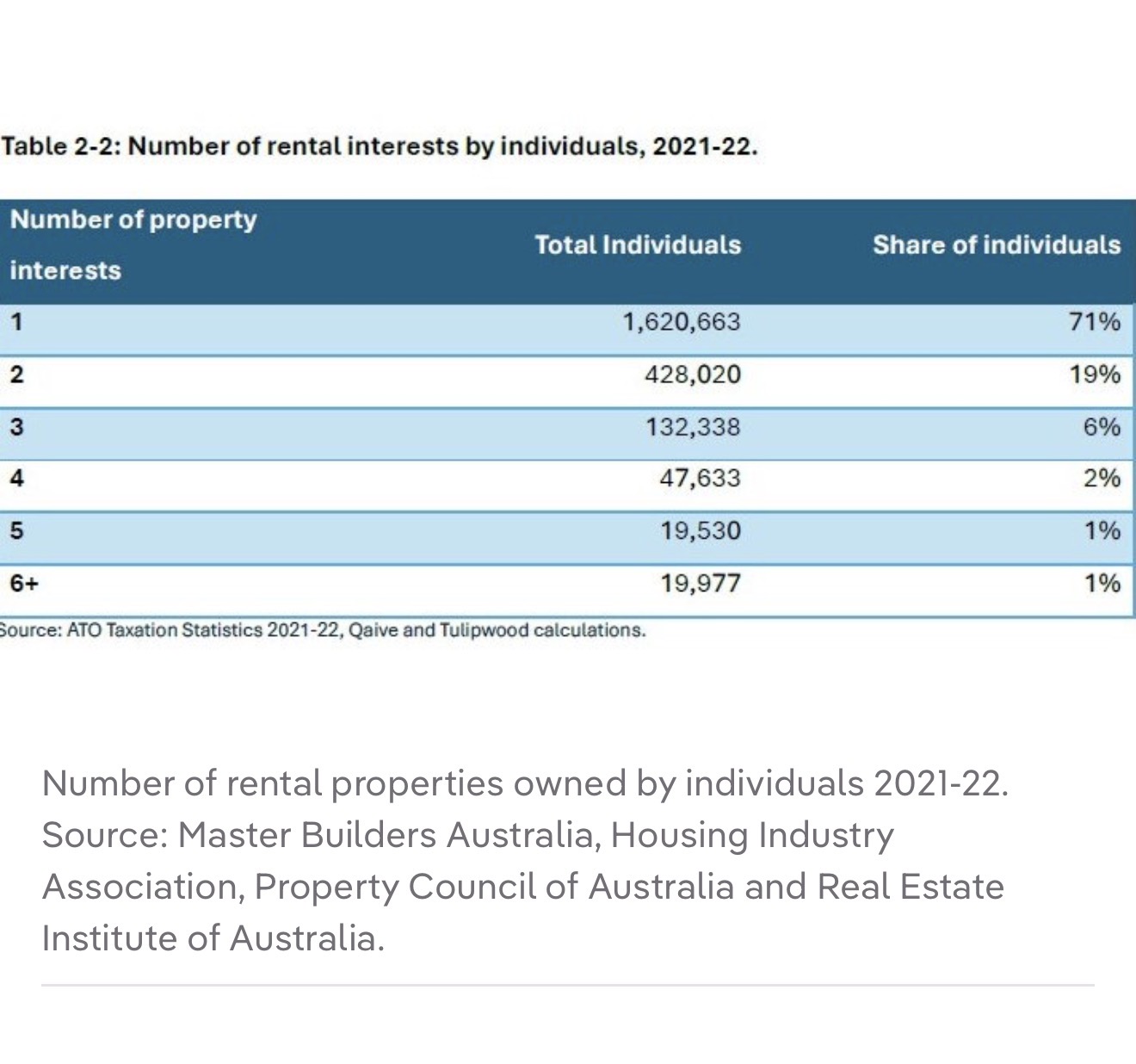
A recent report offers a sobering look into the potential economic consequences. According to analysis from Qaive and Tulipwood, the removal of negative gearing for residential property could create significant ripples across the economy. Their findings, summarised in a detailed table, project a series of economic shifts over a five-year period from 2025 to 2030.
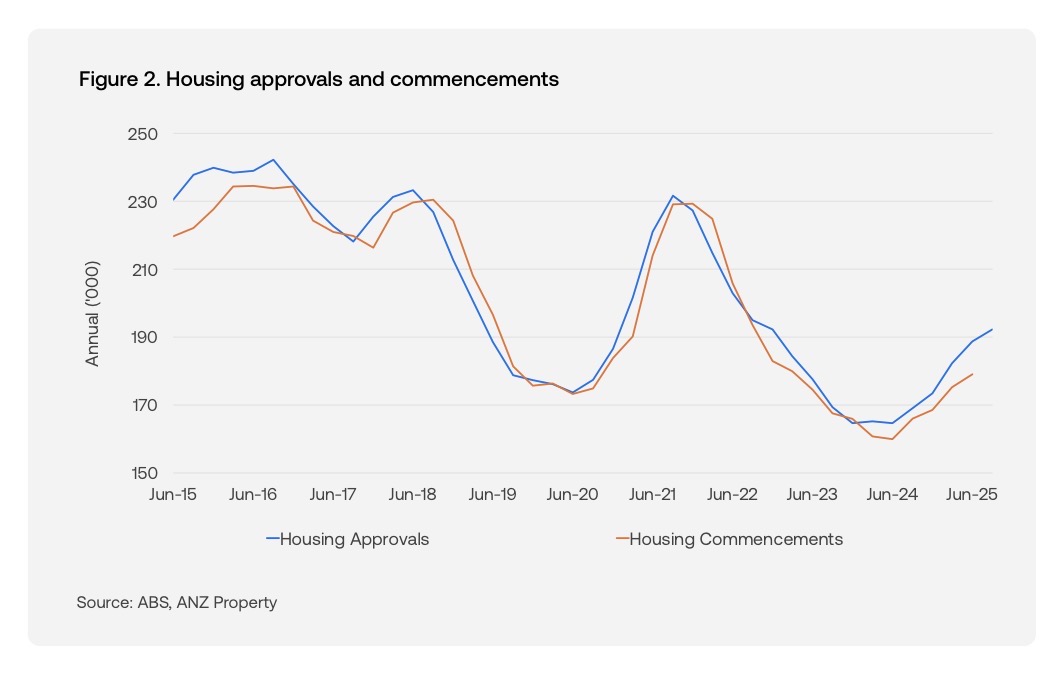
The report forecasts a noticeable contraction in key areas. It projects a decline in the Gross Domestic Product (GDP) and a significant hit to the construction sector, impacting both output and employment. Specifically, the data points to a reduction in construction jobs (measured in full-time equivalents) and a drop in the number of new homes being built, affecting both detached houses and non-detached dwellings.
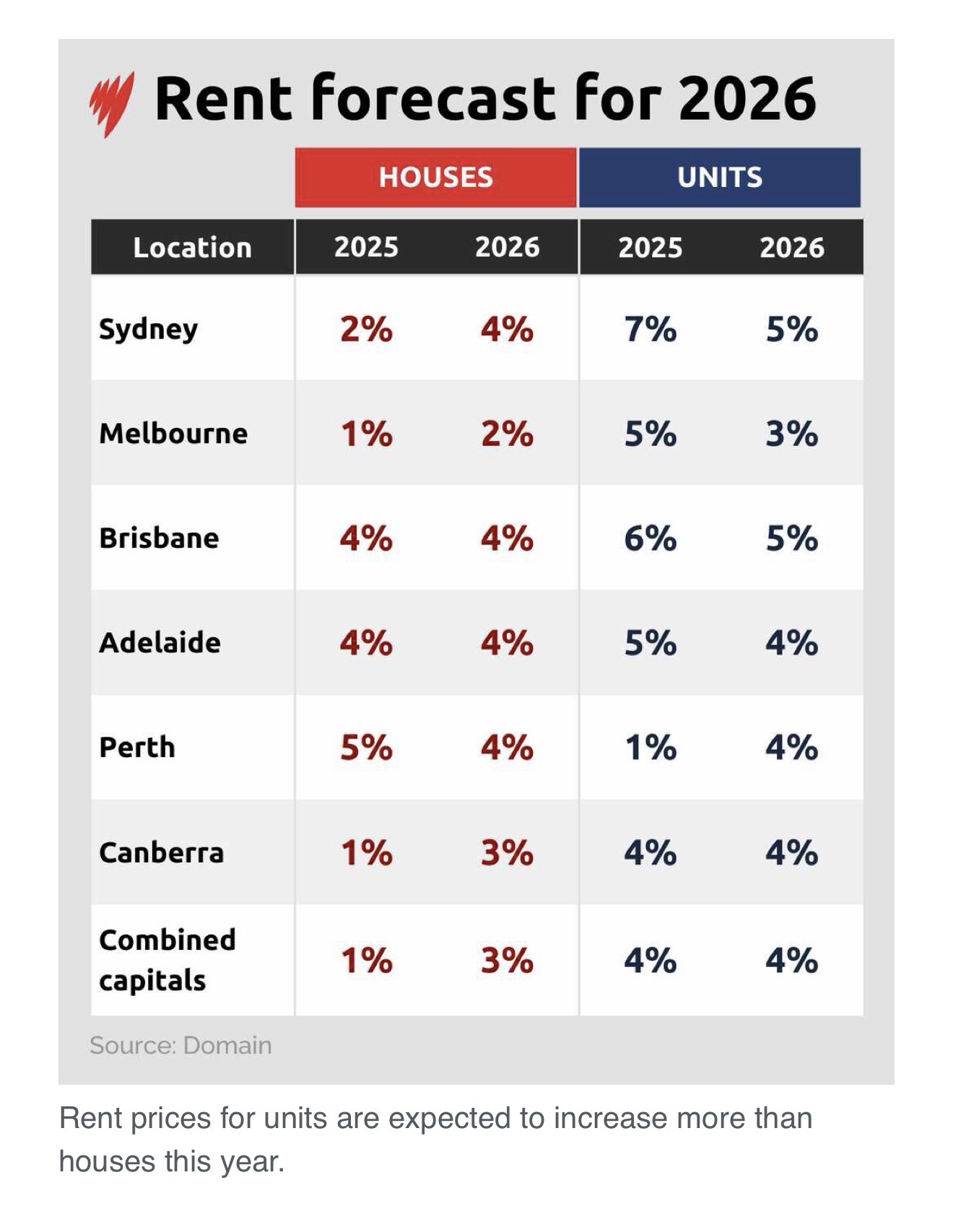
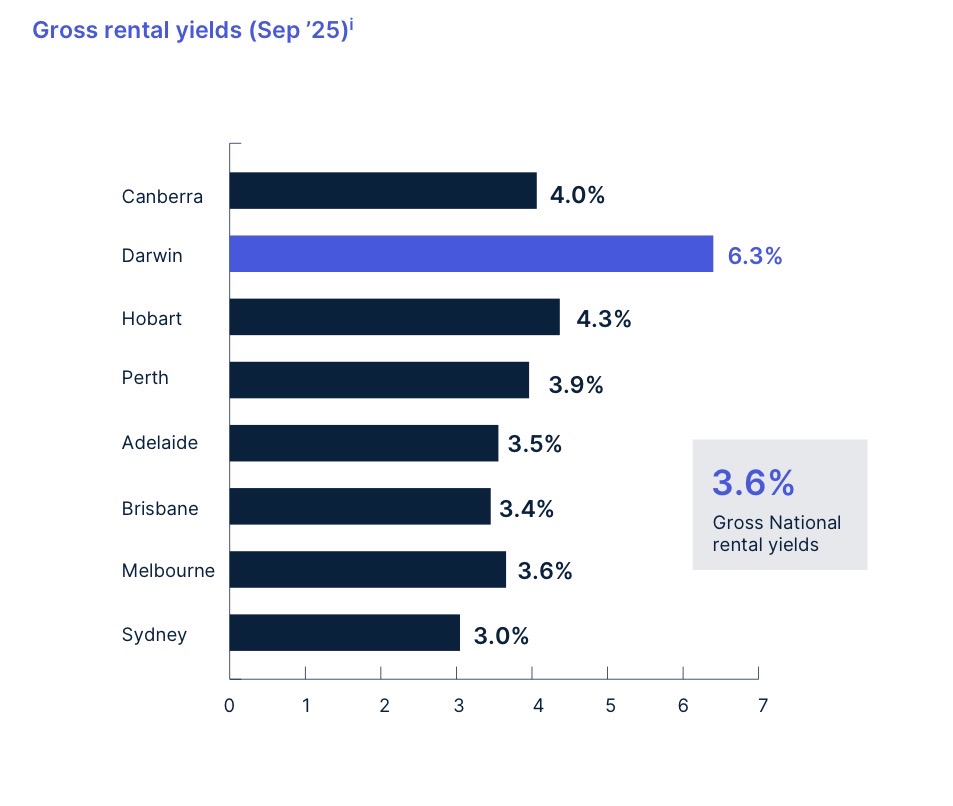
Perhaps most concerning for tenants is the projected impact on rental prices. The analysis shows a steady increase in rental costs year-on-year, suggesting that removing the incentive for landlords could lead to tighter rental markets and higher weekly rents.
This analysis, supported by major industry bodies like Master Builders Australia, the Housing Industry Association, and the Property Council of Australia, paints a complex picture. It suggests that while the intention behind scrapping negative gearing might be to level the playing field, the unintended consequences could include a strained construction industry and increased pressure on renters. It’s a potent reminder that in the interconnected world of economics, one change can set off a chain reaction with wide-ranging effects.